How to Design a Multi-Generational Backyard That Works for Everyone (5 Essential Zones)
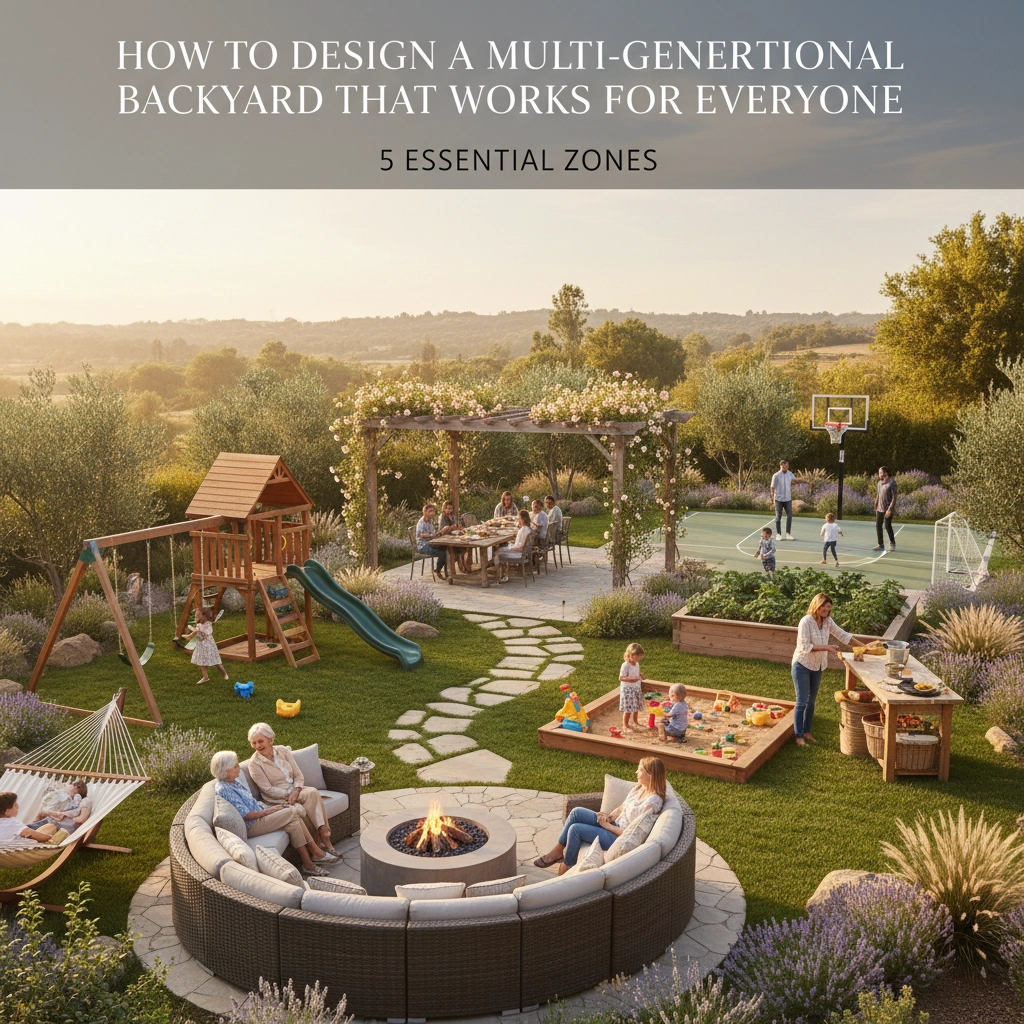
Creating a backyard that works for toddlers, teenagers, parents, and grandparents all at once might seem like an impossible puzzle. But here's the thing: it's totally achievable when you think about your outdoor space in zones rather than one big area.
The secret to a successful multi-generational backyard isn't cramming everything into one space and hoping for the best. It's about creating distinct areas that serve different purposes while maintaining a cohesive flow throughout your yard. Think of it like designing the rooms of a house, but outdoors.
When done right, this approach transforms your backyard from a basic lawn into a dynamic outdoor living space where every family member: from crawling babies to mobility-challenged grandparents: can find their perfect spot to relax, play, or connect with others.
Zone 1: The Social Hub (Dining and Entertaining Area)
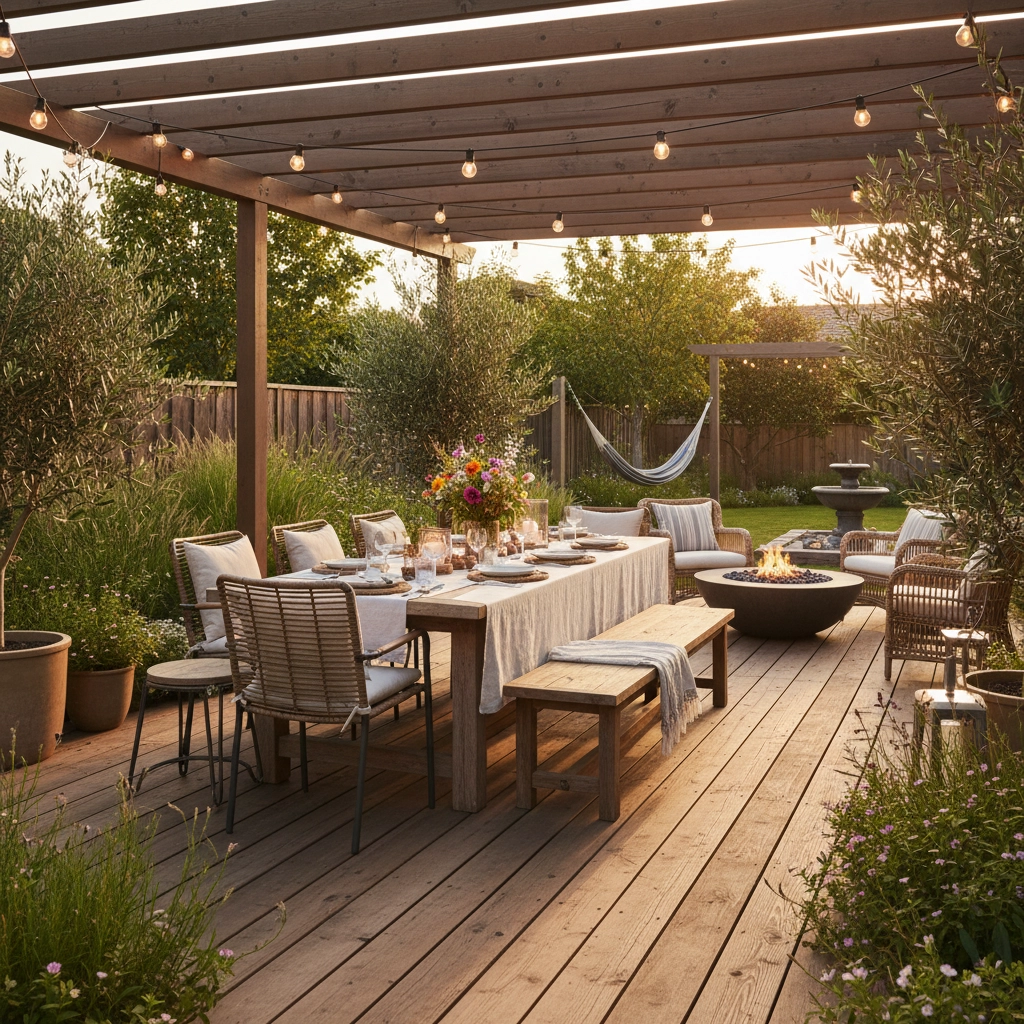
This is your backyard's equivalent of the kitchen table: the place where everyone naturally gravitates for meals, conversations, and celebrations. Your social hub needs to be the most accessible and comfortable area in your yard.
Start with a solid foundation like a paved patio or deck that can handle all weather conditions and foot traffic. This isn't the place to cut corners: you want surfaces that are even, slip-resistant, and easy for wheelchairs, walkers, or unsteady toddlers to navigate.
Consider adding a pergola or shade sail to create a defined ceiling for this space. Not only does this provide relief from harsh Australian sun, but it also makes the area feel more intimate and room-like. String lights or pendant lighting can extend the usable hours well into the evening.
For seating, mix and match different options. A dining table works great for family meals, but add some lounge chairs and perhaps a bench with back support for older family members. Fire pits or outdoor heaters can keep this space comfortable during cooler months and create a natural gathering point.
Zone 2: The Play Zone (Active Recreation Area)
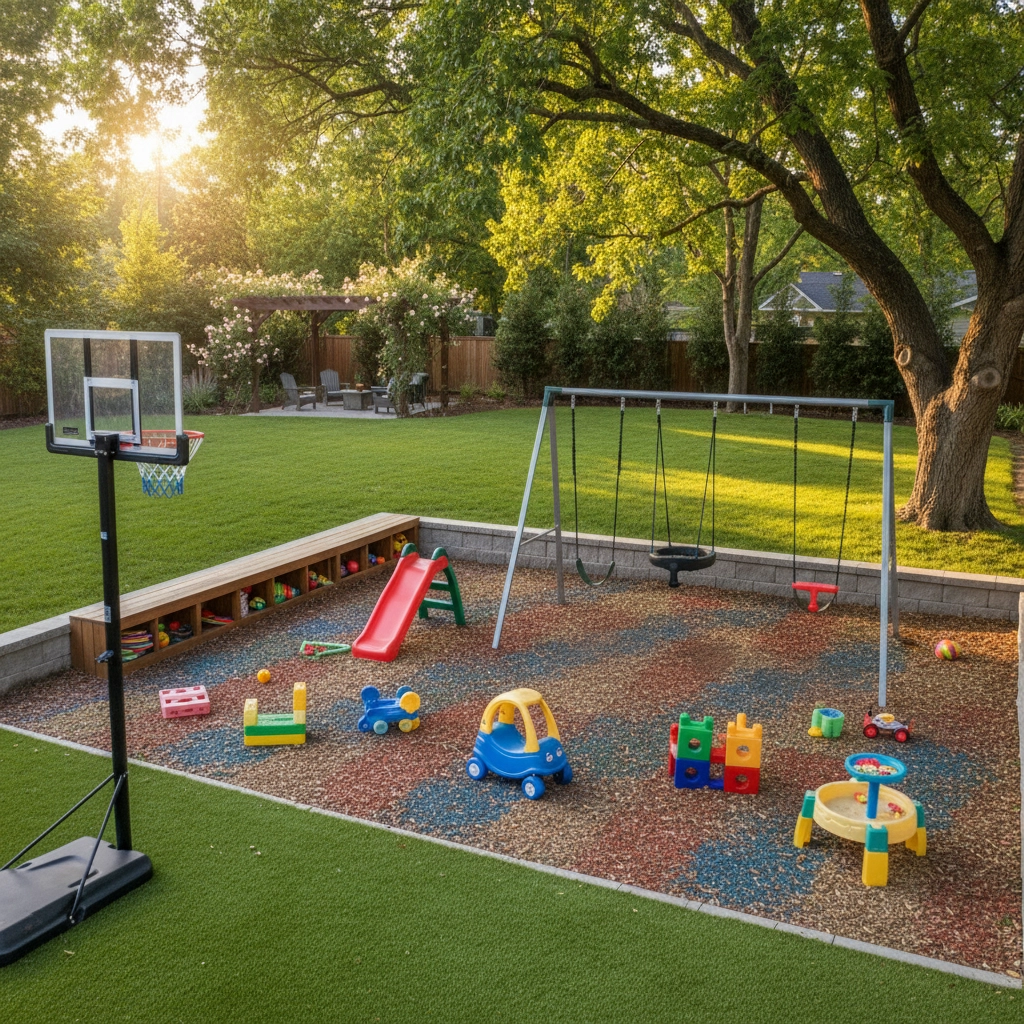
Kids need space to be kids: running, jumping, making noise, and getting dirty. But here's the key: this zone needs to be contained and visible from your social hub so adults can supervise while still enjoying their own activities.
The surface matters enormously in play areas. Soft-fall materials like rubber mulch, artificial grass, or even a well-maintained lawn work better than hard pavers. If you're including play equipment like swings or climbing structures, ensure there's adequate clearance around each piece.
Don't just think about young children either. Teenagers and adults need active spaces too. Consider including areas for basketball hoops, badminton nets, or lawn games like cornhole. A flat, open lawn area serves multiple purposes: from impromptu soccer games to yoga sessions.
Storage is crucial in play zones. Built-in bench seating with storage underneath or a dedicated storage shed keeps toys, sports equipment, and pool accessories organised and out of the weather.
Zone 3: The Relaxation Retreat (Quiet Contemplation Area)
Every family needs somewhere to escape and recharge, and this becomes even more important in multi-generational households where the noise and activity levels can be overwhelming.
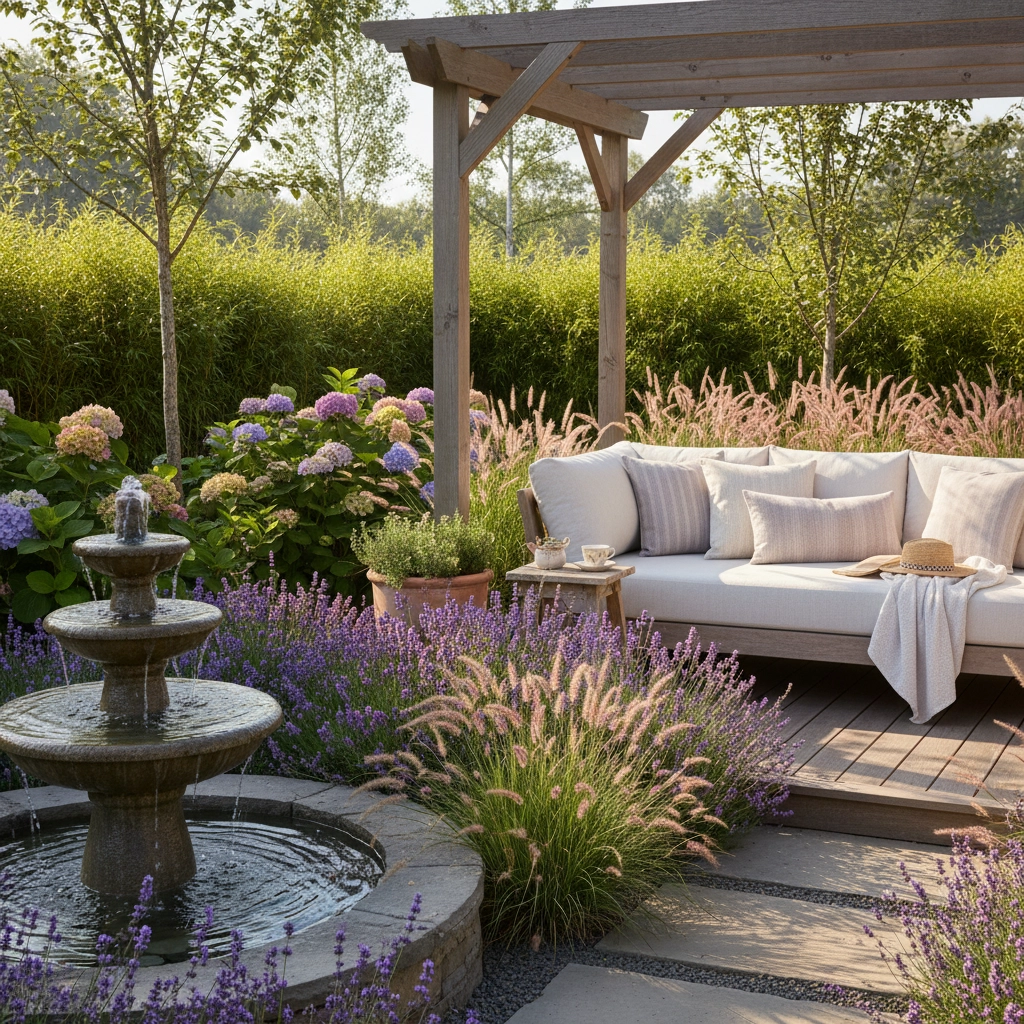
Your relaxation zone should be the most private and sheltered area of your backyard. Use strategic landscaping, screens, or pergolas to create a sense of enclosure without feeling claustrophobic. The sound of water from a small fountain or the rustling of ornamental grasses can help mask noise from other areas.
Comfortable seating is non-negotiable here. Think cushioned outdoor furniture, hammocks, or even a daybed where someone can stretch out with a book. For older family members, ensure seating has good back support and is at a height that makes sitting and standing easier.
Plants play a huge role in relaxation areas. Choose species that engage the senses: fragrant herbs like lavender or rosemary, plants with interesting textures, or flowers that attract butterflies and birds.
Zone 4: The Utility Zone (Practical Storage and Services)
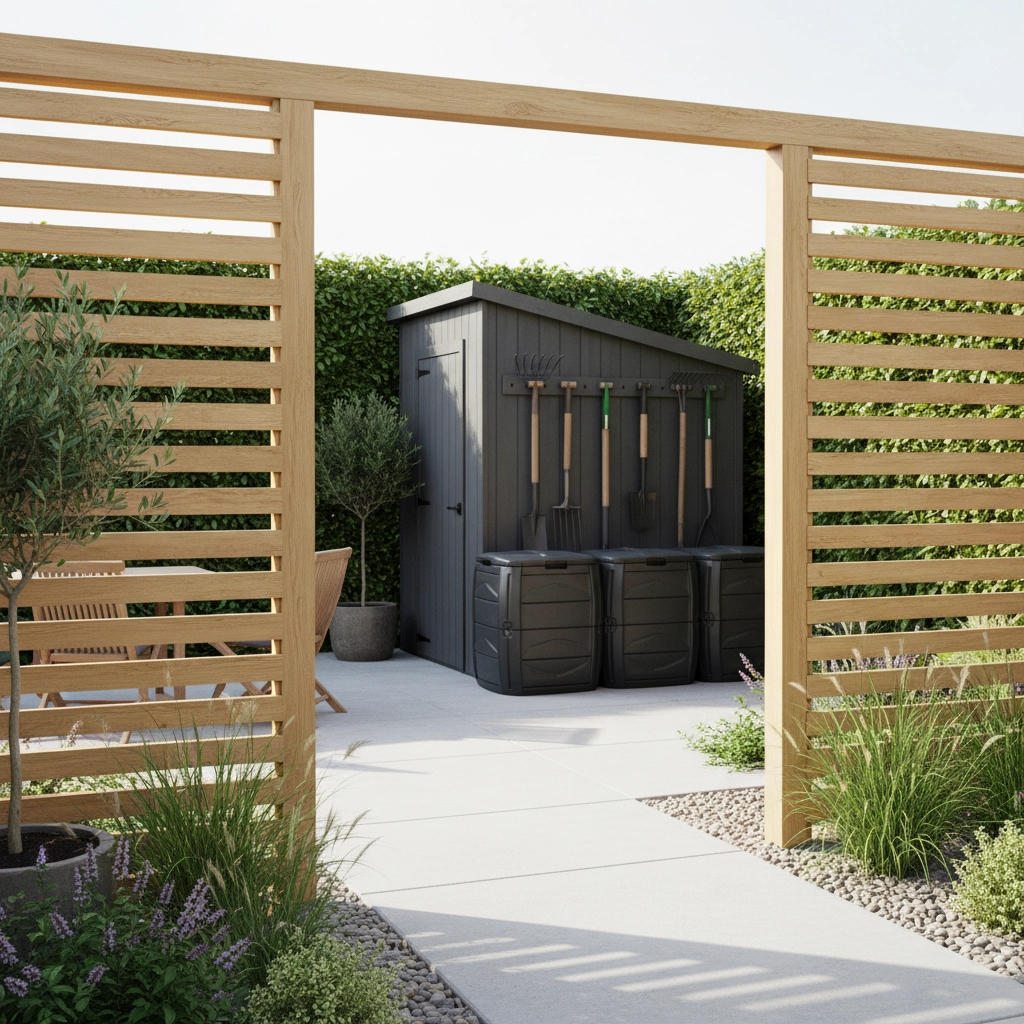
Nobody wants to look at bins, pool equipment, or garden tools, but these practical elements are essential for maintaining a functional backyard. The trick is creating a dedicated utility zone that keeps these necessities organised and out of sight.
Your utility zone might include storage sheds, compost bins, pool equipment housing, outdoor laundry areas, or even designated spaces for bins on collection day. Screen these areas from the main living spaces using fencing, hedging, or cleverly positioned garden beds.
If you have pets, this zone can include dedicated areas for dog runs, cat enclosures, or pet washing stations. Keep these areas easily accessible for maintenance but separated from food preparation and relaxation zones.
Don't forget about practical access. Utility zones need wide paths for moving equipment and should be positioned for easy access from both the house and any gates or entry points.
Zone 5: The Growing Zone (Gardens and Planting Areas)
Gardens do more than just look pretty: they provide opportunities for different generations to connect with nature and each other. But garden design for multi-generational use requires some specific considerations.
Raised garden beds are game-changers for accessibility. They bring the planting level up to a height that's comfortable for people with mobility restrictions while also being easier for children to help with. Various heights can accommodate everyone from wheelchair users to enthusiastic grandparents.
Include both edible and ornamental gardens. Vegetable patches, herb gardens, and fruit trees provide practical benefits and teaching opportunities for children. Flower gardens support local ecosystems and provide beauty and fragrance.
Consider the maintenance requirements carefully. While some family members might enjoy intensive gardening, others prefer low-maintenance options. Create a mix: perhaps native plants requiring minimal water and care alongside more intensive herb and vegetable gardens.
Connecting the Zones: Flow and Accessibility
The magic happens in how these zones connect to each other. Pathways should be wide enough for mobility aids, even-surfaced, and well-lit for safety. Use materials that complement your home's architecture while providing good traction in wet conditions.
Visual connections between zones are just as important as physical ones. Someone relaxing in the quiet zone should be able to keep an eye on children in the play area. The social hub should have views to multiple zones so people can move between activities easily.
Consider sight lines carefully. Use landscaping and structures to provide privacy where needed while maintaining necessary supervision opportunities. Low hedges, raised planters, or decorative screens can define zones without creating complete barriers.
Universal Design Principles
Successful multi-generational design follows universal design principles that benefit everyone, not just those with specific mobility needs. Ramps instead of steps, good lighting throughout, slip-resistant surfaces, and comfortable seating heights make the space more usable for everyone.
Think about seasonal changes too. Deciduous trees provide shade in summer and allow warming winter sun through. Covered areas extend the usable seasons, while outdoor heating can make cool evenings comfortable for everyone.
Storage solutions should be accessible: avoid high shelves or storage that requires heavy lifting. Consider pull-out drawers in outdoor storage rather than deep bins that require reaching and digging.
Making It Work for Your Family
The beauty of zone-based design is its flexibility. Your family's specific needs will determine how much space each zone requires and where they're positioned relative to each other and your home.
A family with young children might prioritise a larger play zone with direct sightlines from the kitchen. Families with elderly members might focus on creating more extensive relaxation areas with easy access from the house. The key is honest assessment of how your family actually uses outdoor space.
Remember that needs change over time. Design with adaptability in mind: spaces that can evolve as children grow up, family compositions change, or mobility requirements shift.
Professional Design and Implementation
While the zone concept is straightforward, implementing it effectively requires understanding of landscape design principles, local regulations, and construction techniques. Professional landscape designers can help you optimise your layout, choose appropriate materials, and navigate council approvals where required.
At Rosetta Design, we specialise in creating outdoor spaces that work for real families with complex needs. Our design process includes detailed consultation to understand how each family member uses outdoor space, ensuring the final design truly serves everyone.
The investment in professional design pays dividends in functionality, longevity, and enjoyment. A well-designed multi-generational backyard becomes a true extension of your home: a space where memories are made and family bonds are strengthened.
Creating a backyard that works for everyone isn't just about having enough space: it's about using that space thoughtfully. With careful zone planning, attention to accessibility, and quality implementation, your outdoor area can become the heart of your home where every generation feels welcome and comfortable.
Ready to start planning your multi-generational backyard? Get in touch to discuss how we can help create the perfect outdoor space for your family.
Comments
Post a Comment